
TEAME Matcha — Sourced from Shizuoka, Japan
TEAME Matcha is sourced from Shizuoka, Japan — the country's most renowned tea-growing region, responsible for around 40% of Japan's total green tea production. Every blend is stone-ground from whole leaves with no additives or fillers.
First time buying matcha?
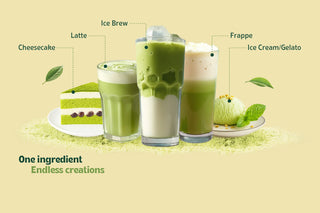
The only thing worth knowing upfront is the grade difference. Culinary grade is bolder in flavour — designed to be mixed with milk, honey, or blended into smoothies, it holds up well against other ingredients. Ceremonial grade is smoother and naturally sweeter, meant to be drunk as-is with just hot water, no milk needed.
For beginner matcha, start with Berry Matcha or Vanilla Matcha — both are approachable, smooth, and forgiving to make. Once comfortable with the flavour, Ceremonial Matcha is the natural next step if you want matcha from Japan at its purest.
Not sure matcha is right for you? Read our Matcha vs Green Tea guide →
Shop Premium Matcha Green Tea Powder




Why TEAME Matcha?
- Origin: Shizuoka, Japan. Not blended or reconstituted after import. The same region supplies ceremonial matcha to tea houses across Japan.
- Grades available: Culinary, ceremonial, and naturally flavoured variants — Vanilla and Berry. Each is a distinct product for a distinct use case, not the same powder at different price points.
- No additives: No fillers, anti-caking agents, or artificial flavouring. The vanilla and berry variants use natural flavouring only.
- Who makes it: TEAME is part of Madhu Jayanti International, India's largest private-label tea packer with 80+ years of sourcing experience across 50 countries. We supply to over 42 countries. Matcha isn't a trend we've added to our store — it's an extension of direct relationships with growers we've built over decades.
- Reviews: 400+ verified buyers. 4.7 star average rating. Unfiltered reviews on each product page.
How to Make Matcha at Home


Matcha vs. Coffee — The Short Version
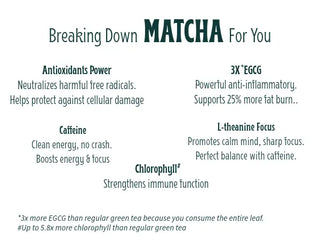
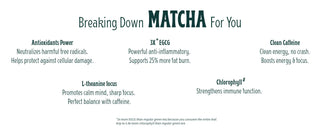
Matcha has less caffeine than coffee — roughly 35–70mg per teaspoon versus 95–200mg per cup. The difference is L-theanine, an amino acid in matcha that slows caffeine absorption. Instead of a spike and crash, you get around 4–6 hours of steady focus without the jitters or the 3pm slump.
Matcha is also significantly less acidic than coffee. Most people who switched because of stomach issues report the difference within a week.
Neither is better for every situation. Coffee hits faster. Matcha lasts longer and is gentler. If you're drinking 3+ coffees a day and not sleeping well, it's worth trying matcha in your morning slot for two weeks.
Read the full comparison: Matcha vs Coffee →
FAQs
Got a question? We are here to answer
About TEAME's Matcha Sourcing
TEAME matcha is sourced from Shizuoka, Japan — stone-ground, shade-grown, no additives. We're part of Madhu Jayanti International, which has been in the tea business for over 80 years and supplies to over 42 countries. Our matcha is sourced directly from Shizuoka, Japan — not purchased through import aggregators or blended after arrival. Shizuoka accounts for roughly 40% of Japan's tea production and is where most of Japan's ceremonial matcha originates. Our range separates grades clearly and prices them accordingly. The matcha comparison above is based on how our customers actually report the transition, not marketing projections. 400+ verified buyer reviews with an average 4.7 star rating. Read them on the product pages.